
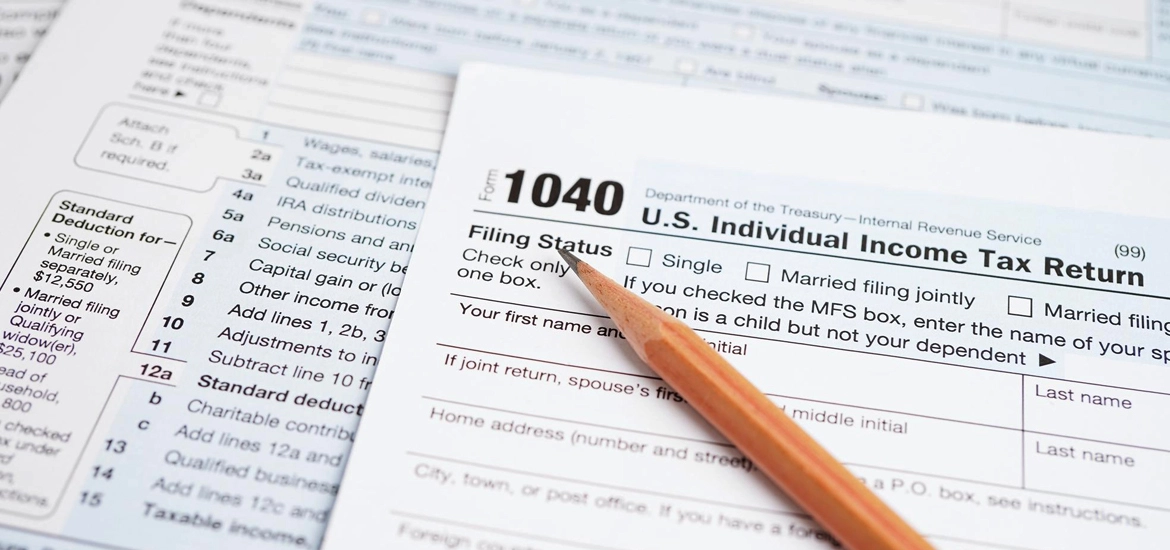
IRS Form 1040 is a form that millions of Americans see ahead each year during the tax season. Officially called the US individual tax return, the document serves as the foundation of the federal tax return system. The Internal Revenue Service receives Form 1040, which summarizes and reports your financial year, whether you are a full-time employee, a self-planned professional, a retiree – or someone juggling several sources of income. In addition to helping you comply with tax laws, understanding how it works ensures that you maximize reductions, claim eligible credits – and avoid costly mistakes. For those who want peace of mind, professional 1040 tax preparation services can be a valuable resource
Who Needs to File Form 1040
For the majority of taxpayers whose income meets the IRS filing thresholds, Form 1040 is required. Generally, if you get wages, business income, retirement distribution, or investment returns, you have to file, although these requirements vary depending on your age, income level and filing status. Individuals with minor income may be required to fill the form to be eligible for refundable tax credit such as earned income tax credit.
What Information Do I Need to Fill Out Form 1040?
To ensure accuracy and completeness, collect all the required documents and information before you begin filling out IRS Form 1040:
- W-2 forms from employers showing your earnings and taxes withheld
- 1099 forms for dividends, interest, freelance work, and other sources of income
- Statements from banks and brokerages
- Records of deductible expenses, including property taxes, medical bills, mortgage interest, and donations
- Social Security numbers for yourself, your spouse, and any dependents
- Tax return from the previous year (helpful for reference)
- Proof of contributions to a retirement plan
- Records of any estimated taxes paid during the year
Step-by-Step Guide to Filling Out Form 1040

Basis Details
Put in your Social Security number, name, and address.
Filing Status
Status: Choose the correct filing status (head of household, married filing jointly, married filing separately, single, or qualifying widow(er)).
Income Reporting
Wages, salaries, tips, interest, dividends, capital gains, pensions, rental income, and income from self-employment should all be reported. Schedules should be attached – when applicable (Schedule SE for self-employment tax, Schedule C for business income).
Adjustments and Deductions
Apply adjustments like retirement contributions and school expenditures, and select between standard – or itemized deductions.
Tax Credits
Type in credits like the Earned Income Tax Credit, Child Tax Credit, and Education Credit.
Tax Calculation and Payments
Enter any withheld or paid amounts, subtract credits, and determine how much tax you owe.
Refund or Amount Owed
Decide if you will get a refund or if you have additional taxes to pay. If applicable, provide your banking details for direct deposit.
Clarifying Filing Statuses with Examples
- Single: Individuals who are not married or legally separated.
- Married Filing Jointly: Married couples who file a single return together are said to be filing jointly. For instance – a husband and wife combining their income.
- Married Filing Separately: Married couples choosing to file separately. When spouses would rather have separate tax responsibilities, this is used.
- Head of Household: unmarried taxpayers who cover more than half of an eligible person’s housing expenses.
- Qualifying Widow(er): For two years after the death of their spouse, a widow or widower with a dependent child may use this status.
Examples of Tax Credits vs. Deductions
- Your tax liability is reduced dollar for dollar by tax credits.
For example, a $1,000 Child Tax Credit lowers your tax owed by $1,000. - Your taxable income is reduced by tax deductions.
Example: By lowering your taxable income by $1,000, a $1,000 mortgage interest deduction lowers your tax liability according to your tax bracket.
Reporting Income Sources
- Form 1040 covers almost every type of taxable income. Taxpayers are required to disclose additional income from interest, dividends, rental property, pensions, capital gains, and self-employment in addition to wages, salaries, and tips.
- Schedule C, which details business profits or losses, and Schedule SE, which calculates self-employment taxes, must be attached by independent contractors, freelancers, and self-employed individuals.
- IRS tax preparation services can help those who have complex financial portfolios ensure that all sources of income are accurately captured.
Deductions, Adjustments, and Tax Credits

After income reporting, the form moves into adjustments, credits, and deductions. While tax credits reduce the amount of tax you owe on a dollar-for-dollar basis – tax deductions lower your taxable income.
- Mortgage interest, retirement contributions, and student loan interest are examples of common deductions.
- The Earned Income Credit, Education Credits, and Child Tax Credit are all popular credits.
Understanding the differences and correctly applying them can change your entire tax situation, sometimes even turning a potential balance due into a refund.
For many taxpayers, additional schedules must be filed along with Form 1040.
- Schedule 1 covers adjustments like educator expenses as well as additional income like alimony or unemployment benefits.
- Other taxes, such as the alternative minimum tax and self-employment tax, are reported on Schedule 2.
- Other credits, including residential energy credits or foreign tax credits, are covered in Schedule 3.
What to Do If You Owe Taxes vs. Expect a Refund
- In order to avoid penalties and interest, pay your taxes as soon as you can. Checks, electronic payments, or requests for an installment plan are available options.
- Choosing a direct deposit expedites the process of receiving your funds. The IRS “Where’s My Refund” tool allows you to monitor the status of your tax refund.
Estimated Tax (Form 1040-ES)
- Quarterly estimated taxes should also be taken into account by self-employed individuals, freelancers and anyone with substantial investment income.
- To avoid underpayment penalties, they prepare taxes four times a year using Form 1040-ES.
- Proper planning is required because neglecting to pay estimated taxes – may lead to heavy penalties.
IRS Free File Eligibility for Electronic Filing
- The use of electronic filing by modern taxpayers is growing in popularity.
- Under the IRS Free File program, eligible individuals who have an adjusted gross income (AGI) below a specific threshold (about $73,000) can file for free – using approved software.
- Faster refunds, fewer errors, and instant confirmation that the IRS has received your return are all benefits of e-filing.
Federal and State Filing Differences
- Many individuals are required to file a state tax return in addition to their federal tax return – even though Form 1040 is the standard procedure.
- State requirements differ widely; some utilize unique calculations or impose flat taxes -, while others closely follow the federal system.
- There is no state income tax in states including Florida, Texas, Nevada, Washington, and Wyoming.
After Filing: What Happens Next?
- Returns are normally processed by the IRS within 21 days after they are electronically filed. Returns on paper take longer.
- The IRS “Where’s My Refund” tool allows you to check the status of your return online. The IRS may contact you for clarification or an adjustment if errors or issues arise.
Common Penalties for Late or Incorrect Filing
- A penalty of 5% of the unpaid taxes per month, up to 25%, may be imposed for late filing.
- A penalty of 0.5% of the unpaid taxes is assessed each month for nonpayment.
- Severe penalties and interest may be incurred for filing fraudulent or incorrect returns.
Taxpayer Rights and Free Help
Taxpayers have rights to fair treatment, privacy and appeals. The IRS Volunteer Income Tax Assistance (VITA) program offers free help to qualifying individuals including those with low to moderate incomes, persons with disabilities, and limited English proficiency.
Refund Advance Loan Risks and Alternatives
Refund advance loans provide quick cash but often have high fees and conditions that reduce your actual refund amount. Alternatives include budgeting for taxes in advance, setting aside savings, or using IRS installment agreements for payments.
Final Word
Finally, Form 1040 is more than just one document; it represents your entire financial year, which includes your income, credits, and deductions in a single official statement. Accuracy matters whether you use IRS Free File on your own, acquire software, or work with professional tax preparation providers. For complete compliance and peace of mind, consider partnering with a firm that offers federal and state tax services.
Frequently Asked Questions
Most U.S. taxpayers must file if their income exceeds IRS thresholds. Even if below, filing may help claim refundable credits like the Earned Income Tax Credit.
Collect W-2s, 1099s, bank statements, receipts for deductions, Social Security numbers, previous year’s tax return, retirement contributions, and records of estimated tax payments.
Credits reduce tax owed dollar-for-dollar. Deductions lower taxable income, which may reduce taxes based on your bracket. Both help reduce liability.
Use the IRS “Where’s My Refund?” tool online. Refunds usually process within 21 days of e-filing. For amended returns, use “Where’s My Amended Return?”
Pay taxes promptly online or via IRS2Go to avoid penalties. If due a refund, opt for direct deposit and track it with the IRS tool.